Jean - Yebba Album review
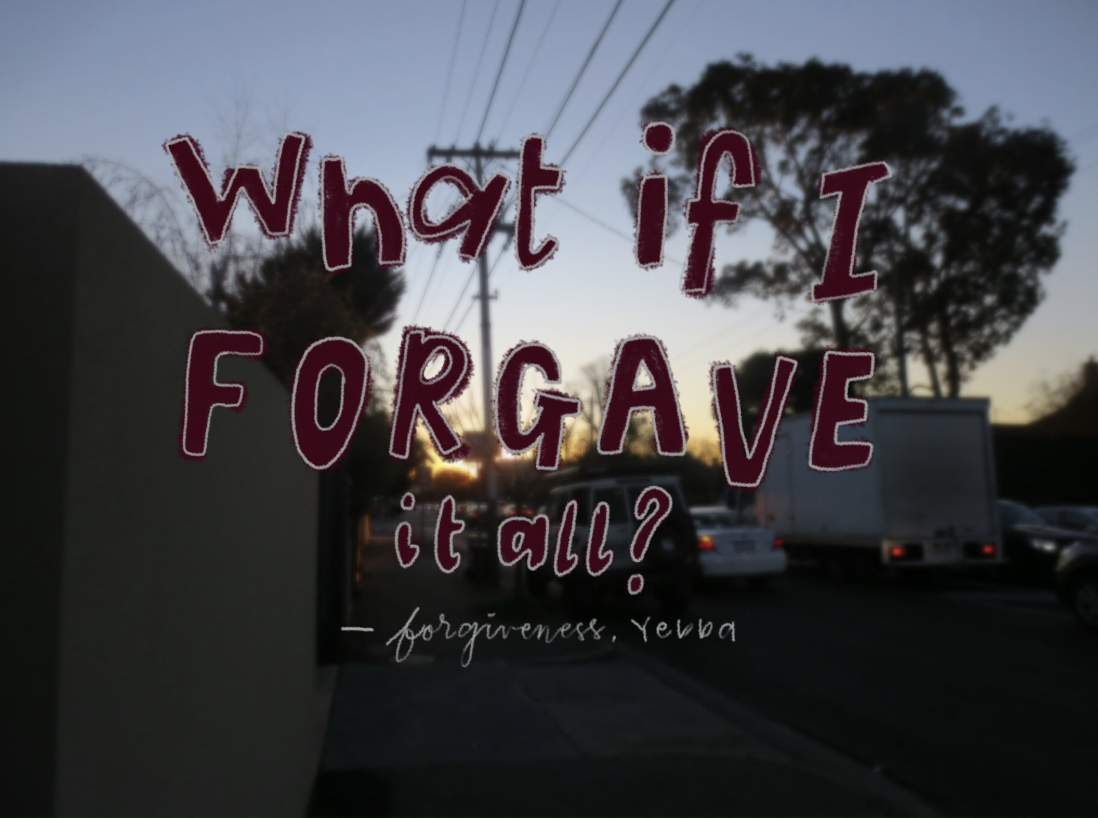
“What if I forgave it all?” Image supplied by Linh Duong & Claire Piechocki
Just like a pair of old denim, YEBBA’s new record fits perfectly into her comforting discography. Released March 6th of this year, Jean features 14 hauntingly intimate songs, all bringing her penmanship and skilled vocals to the forefront of the listening experience.
Produced by Abigail Smith (Yebba) and John Rooney, all album tracks are written by Smith herself, with contributions from Rooney, James Francies, Burniss Earl Travis and Buddy Ross across the various tracks.
As her first album release in five years, Yebba’s sophomore album, Jean, pays tribute to her grandmother and also honours the women who came before her, marking the influences on her upbringing, life, and musicality. Closing her last album, Dawn, with a voice memo of her late mother, saying she hopes her daughter is “having fun ... singing away”, Yebba does exactly what is described in her following release.
Above all, this album details the intertwining path of growth and grief, singing with a weight that bears emotions of hopelessness and despair in partnership with acceptance and the understanding that grief, no matter how much persistence is applied, remains non-linear.
The opening track’s title, Forgiveness, initiates the album’s tone of begrudgingly embracing the incoming future. By following a single verse structure, Smith establishes this narrative/stream-of-consciousness form of storytelling, and does so with a simple, soft vocal line over the piano’s delicate, melodic backing. Singing “God made good on His promise/Now I know when I’m in the flow/Anything good, I can do it”, homage is paid to her religious upbringing, reflecting on her childhood in a spiritual household.
“Maybe that’s how forgiveness feels.”
- Forgiveness, Yebba
Yellow Eyes was the public’s introduction to Jean, being released as the album’s first and only single prior to the album. This was one of the first songs I listened to of hers after a while, and was the kind of song where I still remember where I was standing and what I was doing when it came on. Making its mark on my ears with a haunting, whisper-like vocal introduction, Yellow Eyes distinctly showcases the album’s production, being notably busier instrumentally compared to her older music.
Alright continues the album’s run, immediately reminding me of the previously released October Sky and Paranoia Purple’s use of stripped-back, guitar and vox pairings. At the forefront of this song’s melody is a testament to her innovative melodic contours, building tension to further the narrative. With further references to grief and God, the song beautifully details the all-too-familiar feeling of exhaustion in having to constantly re-explain your grievances to a loved one.
Continuing, West Memphis, is a whispery, country-esque arrangement in a traditional pop song form referencing her move from New York back to her childhood home in the Arkansas town, where she authored the album. Notably, she uses the metaphor of a “well that’s dug down deep inside of you” to recentre an image of home, and escapism and does an incredibly tasteful job of building this literary universe.
Transitioning to the electric guitar, Earth, Wind & California is a lament to the music industry, with lines like “one foot in the door of the past and present tense”, and “while straddling (whatever’s) rising in trend” to detail the declining state of the industry with a satirical approach. The final chorus following the instrumental break is almost mocking the derailment of this industry, as a conclusion to her commentary on the corruption and monetisation of this art form.
Sustaining the rock feel introduced in the preceding song, Aggressive showcases Smith’s range incredibly, setting her iconic guttural cries at the forefront of the track, above a cacophony of percussion and guitars fighting for the listener’s attention. The electric, spacey, warehouse feel takes off with the distorted vocals with what I can only describe as a guilty but not-so-guilty anthem of acceptance, obsession and the need to have it all.
Of Course, then introduces a playful, eccentric side we haven’t seen on this album thus far, and safe to say, I’m not complaining. The drum-centric track is short and sweet, concluding with a short-lived drum solo, to immediately leave the listener on edge and bracing for the next track.
Still riding off the buzz from the previous song, Delicate Roots immediately hit me as an incredibly well-written, introspective tune, striking too close to the hearts of those who find solace in avoidance and uncertainty. Lines like “come way too close and I’ll shoot”, and “pride’s the only thing you got left” encapsulate the thing she does best, articulating the mind-emptying numbness found in the uncertainties and humanness of relationships.
This is only doubled-down in the following song, Waterfall (first released October 25, 2023), opening with “deep in my mind/even my inner critic is still a mystic”. With themes of adoration, this ethereal R&B track is reminiscent of her previous collaborations with A$AP Rocky, with exemplary features of lightened percussion and airy vocals.
Drake fans may find this tune familiar, as it was sampled in the 2023 song Polar Opposites on his “For All The Dogs” album, a song also about introspection and the complexities of relationships.
Then, the first and second interludes sandwich tracks 11 and 12, Seven Years and Different Light. The former track calls back to her opening song, Forgiveness, in the midst of derailment, filling the lyrics with questioning and uncertainty, whilst the latter track reminisces on her older, ballad-centric releases, drawing upon her ability to play with stripped-back instrumentation to evoke ghostly and poignant feelings. Both present new takes on grief and growth, the bargaining and questioning arc and uncertainty in one’s personal journey and use the TV static/spoken interludes to clearly define such thoughts.
Closing with Water & Wanderlust, Yebba then draws upon heavier, chestier vocals to introduce the final song. She reinstates the album’s representation of her artistic journey, one of acceptance, holding space for her past and paving the way for her future. This final track is a summation of her journey, commenting on societal tendencies, burnout, and processing heartache, not forgetting to highlight her vocals as a tool that doesn’t rely on impressive embellishments to instil a sense of numbness and despair.
Overall, this album is a beautiful testament to storytelling and the innate ability to move forward despite past shortcomings. The listening experience was one like no other, as I closely resonated with many of the tracks’ lyrics, and Yebba’s choice of melody and harmony enhanced the penmanship to a new level. If you’re looking for a body of music that best encapsulates the tumultuous mental expedition one embarks on in pursuit of understanding what it is to be human, Jean is an album not to be left unheard.
References
Cobbald, D. (2021, September 8). Dawn. The Line of Best Fit. https://www.thelineofbestfit.com/reviews/albums/yebba-dawn-album-review
Jenkins, C. (2026, March 18). Yebba on the Making of Her Excellent Sophomore Album, “Jean.” Vulture. https://www.vulture.com/article/yebba-interview-jean.html
Nast, C. (2021, September 10). Get to Know Yebba, the Artist Who’s Collaborating With Everyone From Drake to Ed Sheeran. Glamour. https://www.glamour.com/story/get-to-know-yebba
Yebba. (Last updated March 28, 2026). Jean [YouTube channel]. YouTube. Retrieved April 29, 2026, from https://youtube.com/playlist?list=OLAK5uy_n7ecQ-_jY05-Vi__DR9hM4BNk2sLeER8w&si=q22F8wuygKs6i1P9