Film Photography for Funsies
There are countless ways to photograph anything and everything. It is a decently accessible hobby that anyone can get into. I am, at best, an amateur photographer and barely own any ‘proper’ equipment for analog photography. I nonetheless would like to share my own thoughts, or rather, opinions on how I approach film photography
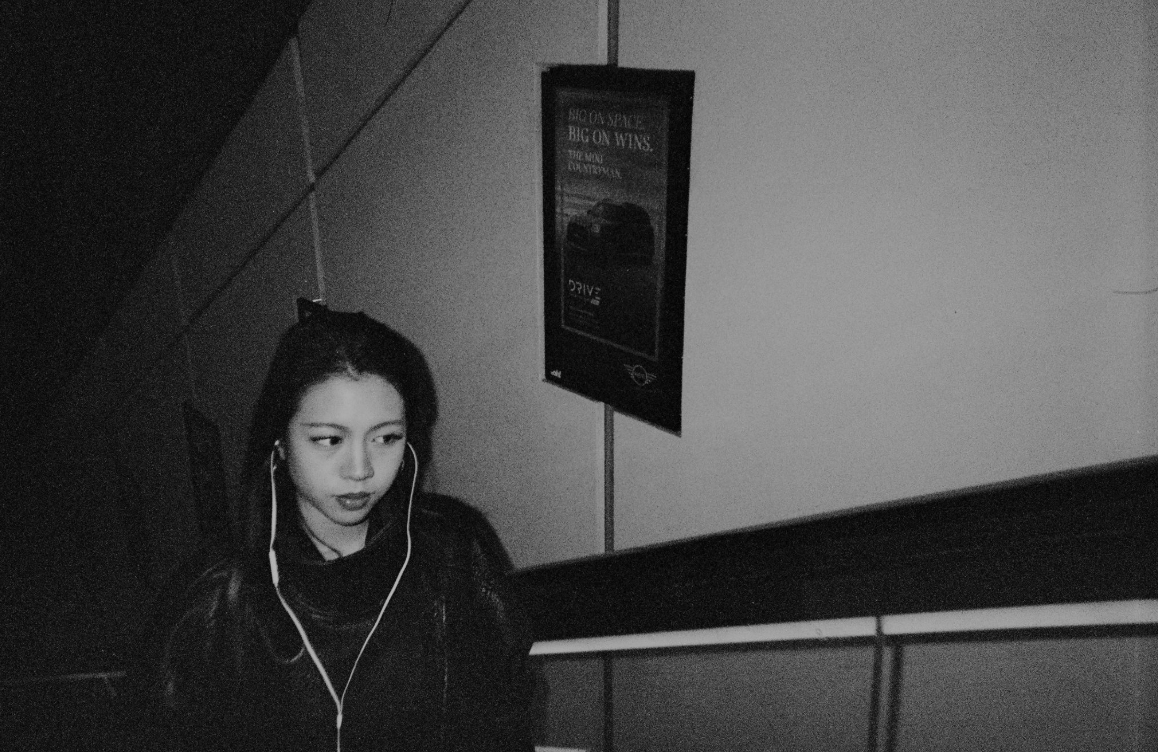
Mona standing in front of a flower shop. Image taken by Pasu Chawindechawat
In addition to the technical aspects – exposure, depth of field, composition and more – it is crucial to consider the subject matter of your photos. Perhaps ask yourself: “What am I trying to bring out from my subject?” It sounds like a cliché. I nevertheless caught myself unable to answer this question. Your interpretation is the most crucial part. How would you construe the emotions of this person? Why would you capture this hiking trail? Or simply, why do you think this should be photographed? Add another question here. It could be that you embed storytelling into your photos. Because everyone can take good photos, but would they be able to convey the same sentiments as yours? And to articulate those emotions is to construct your own unique style as a photographer.
Of course, the subjects in your photos could certainly be very simple — a seagull on a beach, or a portrait of a person. Your subject matter could (and should!) be supported by the environment you are shooting in. A melancholic-ish and somewhat gothic photo may include 19th-century Victorian buildings or dimmed and empty streets. However, it need not be a particular location for a good photo. In fact, being able to capture a nice-looking photo from a mundane location would probably suggest that you are doing something right!
When the subject matter is a person, there are countless ideas and poses that you can make use of. For example, I directed Mona, who is featured in the first two images, to look away from the camera, instead of directly at it, so that the images would generate an introspective but authentic vibe. However, it might be awkward for certain people to intentionally behave in certain ways for the camera, which may pose an obstacle to, for example, candid photography. As such, you will have the job of directing and setting up the look that you desire to achieve. What I like to do is to catch the person off-guard, hoping that I’d capture them in a pure and genuine manner. Through the viewfinder, you should meticulously assess whether the result would be satisfactory or not.
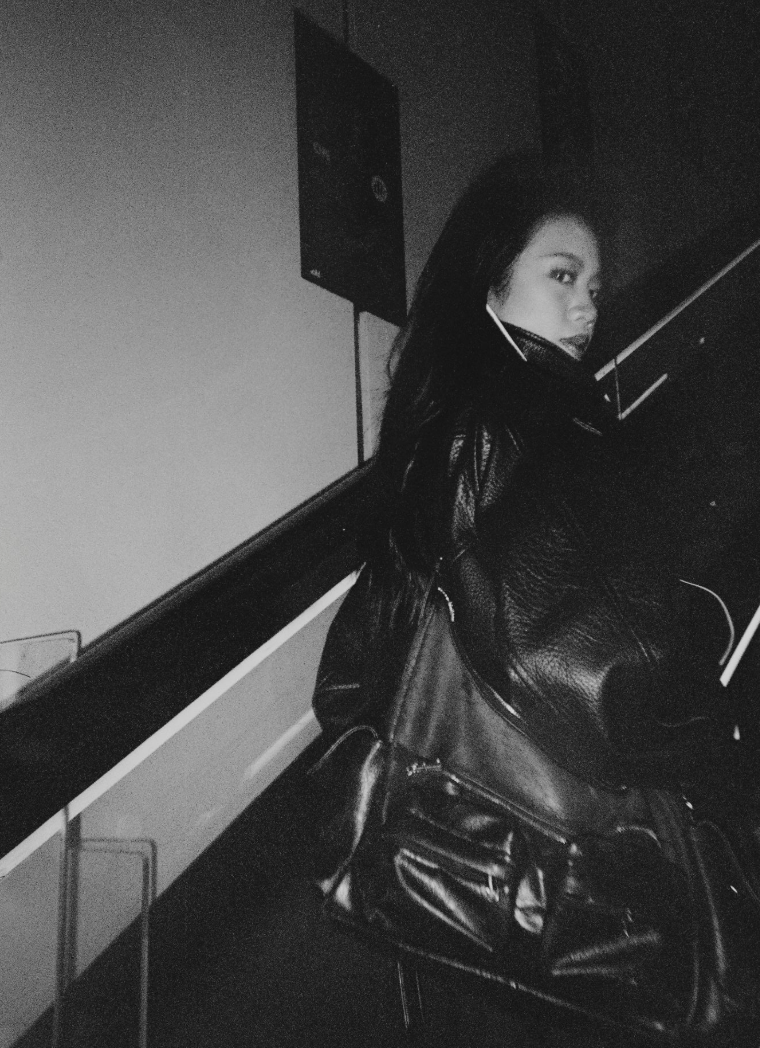
Mona on an escalator.
Image taken by Pasu Chawindechawat.
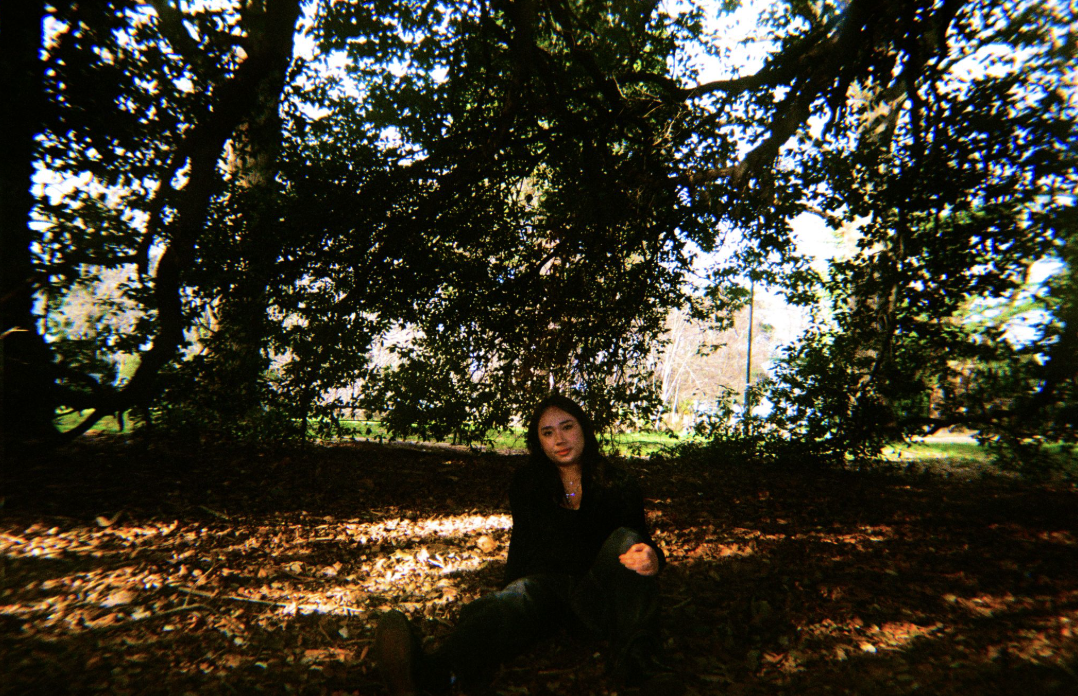
A photo of Yasmin. Image taken by Pasu Chawindechawat
Regarding the photos themselves, it is quite well-known that analog film photos offer this grainy look because of their physical chemical reaction to light, in contrast to digital camera sensors that offer sharp clarity. The grainy nature could be a plus if you are looking for a vintage and bygone vibe. On top of that, colour grading is mandatory in order to make the most of your photos, and could wholly change the tone of your photo. Personally, I like to dial up the contrast and warm colours to add depth to the subject matter and avoid a ‘flat’, pale tone.
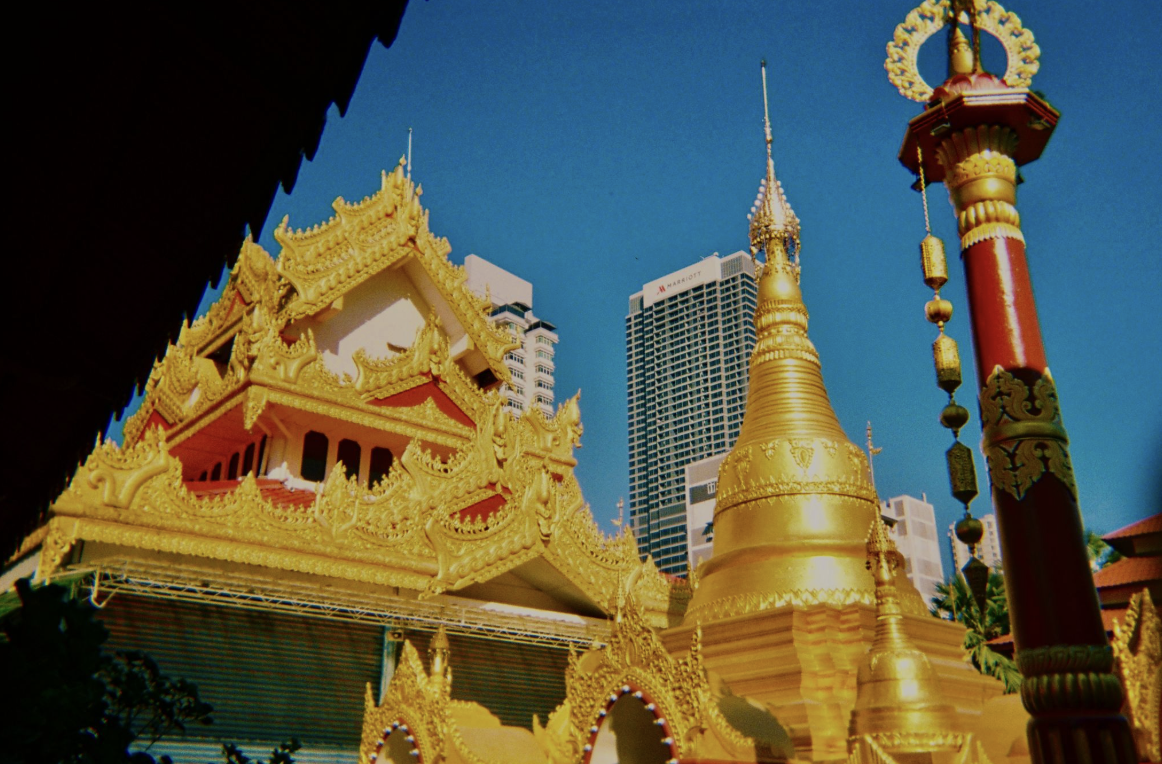
Wat Chayamangkalam, Penang. Image taken by Pasu Chawindechawat
Though it is probably overstated, the fact that you do not quite need expensive and high-quality gear for your photos to look ‘good’ remains quite convincing. I actually shot some of these photos with Ilford Colour Retro 400 and XP2 Super 400, which are both disposable cameras. Disposable cameras do not get a good rep from the analog community: fixed shutter speed and aperture, as well as lenses (please do take this with a grain of salt). However, they do have their unique benefits. Most of them are small enough that you could fit them in your pockets. These are essential to capture the subjects as naturally as possible; you would want to quick-draw the camera as soon as the opportunity arises to take some photos. But, of course, mounted lenses on a standard film camera are substantially better.
Film photography offers a much more intriguing and mysterious experience due to its non-instant nature. Not being able to see the results right away is the main attraction of this; it raises the stakes, making you a more concise photographer. And though I might have been stating the obvious countless times in this article, the points I am making are crucial to master, which would make your journey less excruciating and more enjoyable.