A Seat At The Table: Insights Into Shared Table Regional Heroes
Food is much more than something shared around the dinner table. It is a vessel for memory, culture and identity, capable of breaking down barriers and connecting people across vastly different backgrounds.
For filmmaker Nandita Chakraborty and producer Niru Tripathi, Shared Table: Regional Heroes explores the lives of migrants living in regional Victoria, using food as a lens to tell their deeply personal stories of resilience, displacement and belonging.
“How can food connect people? How can food break that barrier to tell stories?” Chakraborty said.
The idea for the documentary came about unexpectedly while she and her production team were gathered around her own dining table. Originally commissioned to create a documentary celebrating regional Victorian communities, the team sought a unifying theme to tie together diverse migrant experiences. The answer was sitting right in front of them.
"We were just sitting there and eating my mum's beautiful chicken," Chakraborty recalled. "Then our sound recordist said, 'Why don't we make something on food?' That's how the idea of Shared Table started."
For Chakraborty, food naturally became the centrepiece because it transcends language and cultural differences. "Food brings culture, brings everything together."
That philosophy guided the documentary's production as the crew travelled across regional Victoria, meeting migrants from a range of cultural backgrounds. Rather than focusing solely on cuisine, Shared Table: Regional Heroes asks deeper questions about identity and what people carry with them when they leave their home countries.
"When you leave a country, you leave everything behind," she said. "When you're in this country, what you've left behind is already lost. So all you have is memory, food, and the people that you're surrounded with."
This theme resonated strongly with audiences during the film’s screening. As someone who migrated to Australia 27 years ago, Chakraborty also drew upon her own experiences while making the documentary. "I felt that the story was so important to be shown on screen," she said. "People forget how they have come. They get so comfortable, they forget their own person as a traveller."
Throughout the documentary, audiences meet individuals whose journeys to Australia have been shaped by conflict, persecution and hope. Rather than presenting these experiences as isolated stories, Chakraborty sought to uncover the common thread that unites them all.
"What is that middle that we are fighting for?" she asked. "What is the middle ground that we can come together? Is it food? Is it conversation? Is it embracing who we are?"
One of the documentary's most powerful reflections centres on preserving language and culture.
"To kill the language is to kill people. If you destroy the language, you destroy the people."
For Chakraborty, these stories are not simply accounts of hardship but examples of resilience, community and the search for home.
"Every corner of this story is about shared culture, shared humanity and shared belonging," she said. "From the first man to now, we're all travellers."
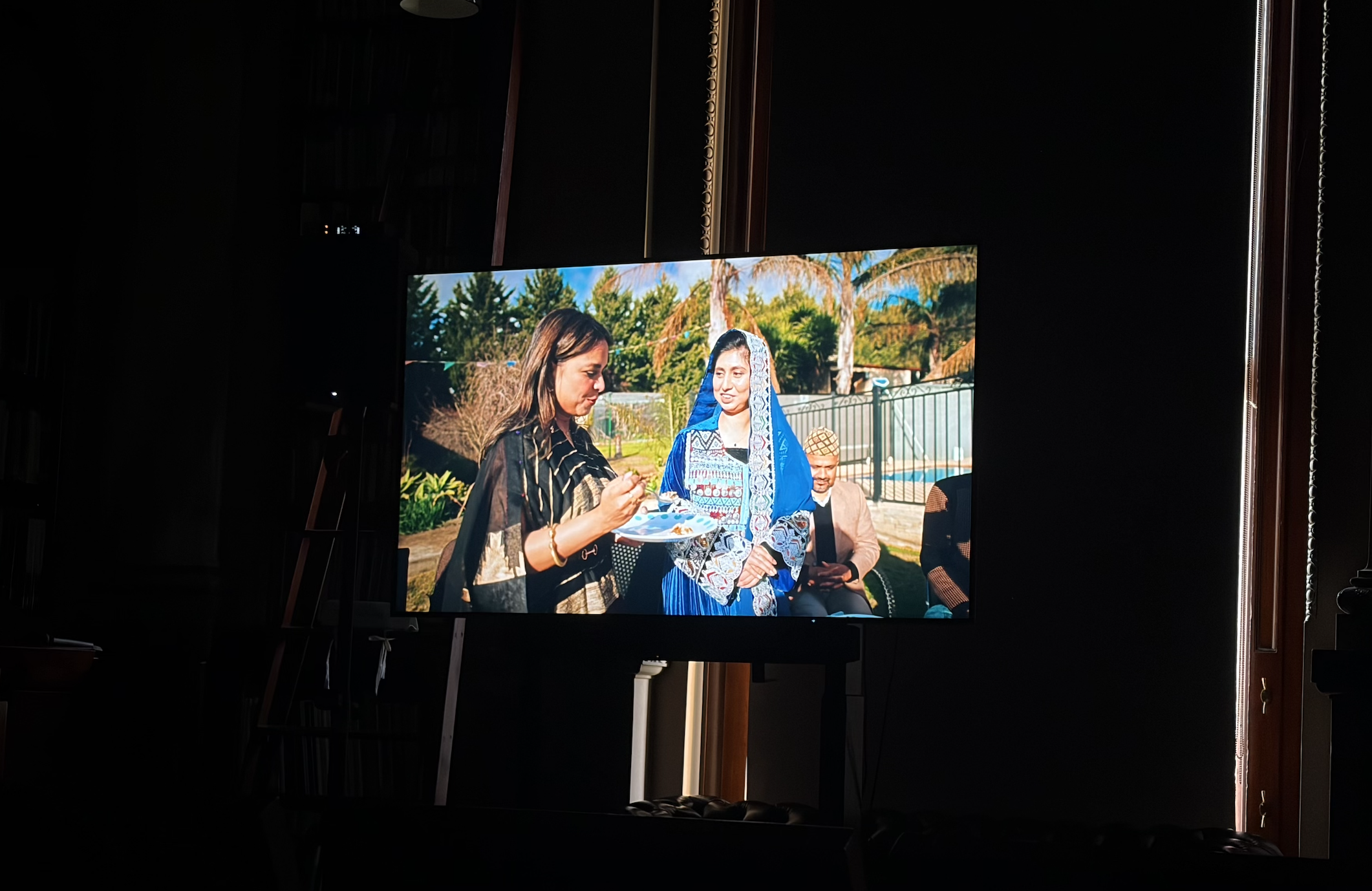
At the final dinner table. Image taken by Selin Duran
The friendships built throughout filming remain an important part of her life, with Chakraborty continuing to stay in contact with many of the participants. Beyond celebrating migrant stories, Shared Table: Regional Heroes also arrives during a period of renewed political debate surrounding immigration in Australia. While editing the documentary, Chakraborty witnessed large anti-immigration rallies, something she said she had never experienced since moving to Melbourne.
Rather than discouraging her, those events reinforced the importance of the project.
"That gave me a lot of power," she said. "I said, 'No, I'm doing something right here.'"
One of the documentary's proudest moments came after a screening when a First Nations audience member praised the film without realising Chakraborty was its director.
"That was my biggest win," she said. "We are on their land as migrants, and for her to say that, I thought, 'I've done this.'"
Looking ahead, Chakraborty hopes Shared Table reaches audiences far beyond the festival circuit. The documentary has secured distribution in India and the production team is actively searching for an Australian distributor. She also hopes universities will embrace the film as a conversation starter about migration, multiculturalism and belonging.
"This film should not be hidden."
At its core, Shared Table reminds audiences that despite different languages, cultures and histories, everyone has gathered around a table at some point in their lives. Through those shared moments, Chakraborty believes people can discover not only each other's stories, but also the humanity that connects them.
Author’s Note:
This documentary is brilliant and deserves recognition worldwide. Currently, the film has been successfully premiered at the 19th Mumbai International Film Festival (supported by Screen Australia), and has been selected as the Best Melbourne Documentary and Best Emerging Director Australia at the 10th Melbourne Documentary Film Festival.
While it hasn’t hit television yet, I had the opportunity to see a screening of this piece at Parliament House, hosted by Athanasina Gray-Barberio, Member of the Victorian Legislative Council for the Northern Metropolitan Region (Greens) and got to meet the incredibly talented filmmaker Nandita Chakraborty and producer Niru Tripathi.
The room was full of anticipation as we eagerly waited for the screening to begin; once it started, not a single person could look away. It was captivating, eye-opening and an opportunity to listen to such resilient Australians who shared such vulnerable stories about themselves. Some tears were even shed as I sat reflecting on my own family’s migrant story and our connection to food and culture. I would recommend this documentary to everyone; it’s the 90 minutes of film you will ever see.
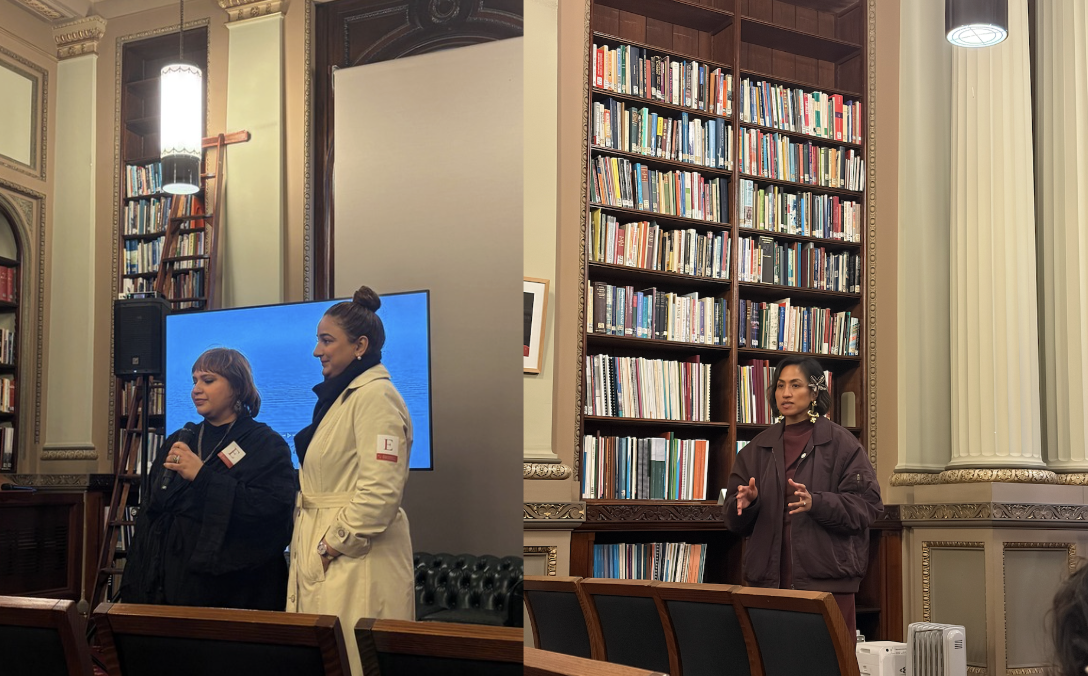
Director Nandita Chakraborty (Left), Producer Niru Tripathi (Middle), Athanasina Gray-Barberio, Member of the Victorian Legislative Council (Right) at the Parliament Screening. Images taken by Selin Duran